Full Mouth Rehabilitation: Treatment Guide
Full mouth rehabilitation is the complete reconstruction of both jaws: implants, bite height, aesthetics and function designed together rather than jaw by jaw. It is the most transformative treatment in dentistry, taking patients from years of dental misery to a stable, fixed, natural-looking result with a written long-term guarantee.
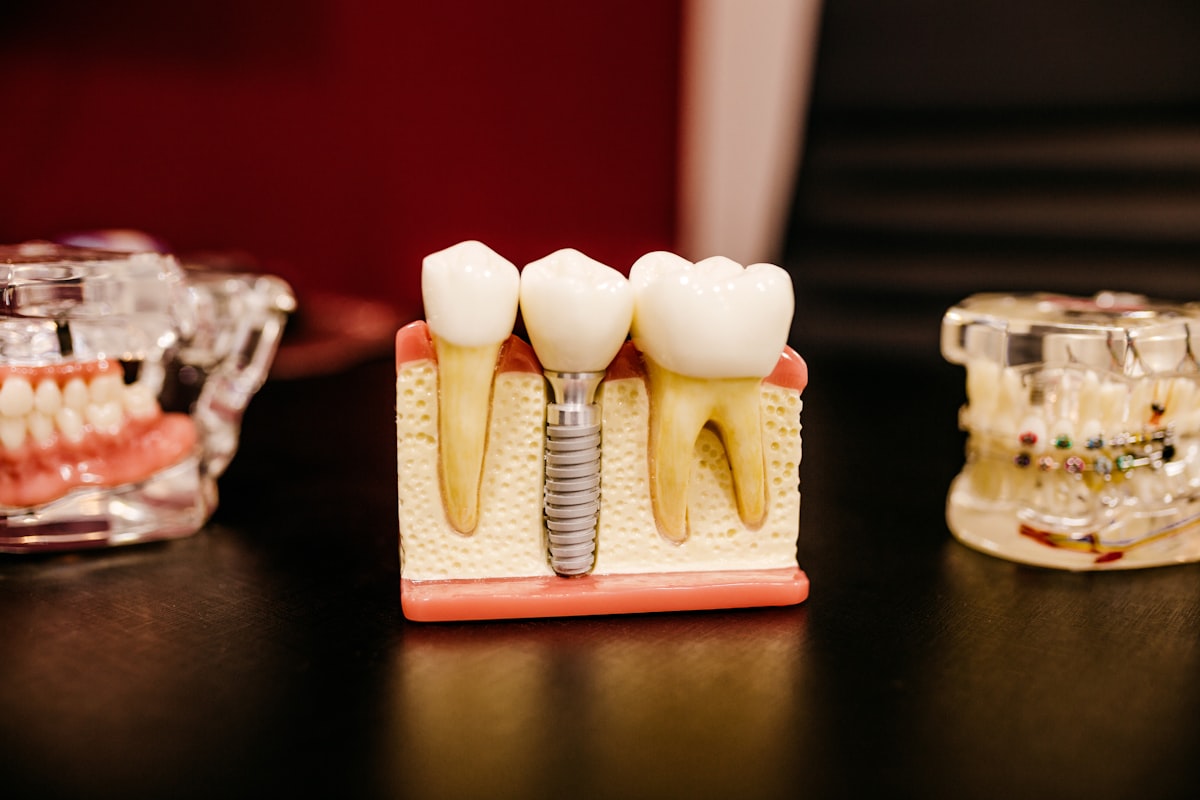
Understanding full mouth rehabilitation: the full picture
Full mouth rehabilitation is the whole mouth, both jaws, planned as one case, and the reason it is its own treatment rather than two full arches is the bite. When both jaws are being rebuilt, the position the jaw closes in is no longer fixed by the existing teeth. It has to be decided, and every restoration is then built to that decision.
That is what makes it the most complex thing in restorative dentistry. Get the bite position right and the muscles and joint settle into it. Get it wrong and you have created headaches, jaw pain and clicking in someone who came in for their teeth.
It is chosen where teeth have worn severely, where decades of piecemeal work no longer function together, or where the lower face has shortened as the bite collapsed.
Who is full mouth rehabilitation suitable for?
Candidacy is decided by evidence, not enthusiasm: your photos and medical history are reviewed by a clinician before any plan is issued. The great majority of healthy adults qualify, and where a condition needs managing first (active gum disease, an infection, uncontrolled diabetes) the plan says so and sequences treatment accordingly rather than ignoring it.
The remote assessment costs nothing and commits you to nothing, and it answers the suitability question definitively for your case rather than in general terms. It is also a useful test of the clinic itself: an honest team will sometimes tell you that you need less treatment than you asked about, and that answer is worth more than any brochure.
The full mouth rehabilitation procedure, step by step
- 1. Full records and joint assessment. Photographs, scans, imaging, bite records and an examination of the joint itself.
- 2. Decide the new jaw position. Sometimes preceded by weeks in a splint to let the muscles settle before the position is judged.
- 3. Test it in provisionals. Worn and lived with. Discomfort here is information and it is far cheaper to act on now.
- 4. Restore in sequence. Back teeth to hold the position, then the front for appearance.
- 5. Night guard, permanently. Not optional in a case this size.
Materials, brands and technology
Two components define a full-arch result. The implants: documented systems such as Straumann, Nobel Biocare (whose original research created the tilted-implant protocol) and MIS, each with published multi-decade data. The bridge: the modern gold standard is monolithic full-contour zirconia (extraordinarily strong, stain-proof and hygienic) with titanium-acrylic hybrids as a lighter, repairable and more economical alternative. Your prosthodontist will recommend based on your bite force, jaw anatomy, opposing teeth and budget, and the honest answer differs between patients; anyone offering a single one-size-fits-all bridge to every case is running a production line, not a practice.
How full mouth rehabilitation compares with the alternatives
A good clinician presents full mouth rehabilitation alongside its genuine alternatives, not as the only road. The comparison that matters weighs four axes (upfront cost, how much healthy tooth structure each option preserves, expected lifespan, and what maintenance each demands) and the weighting is personal: a 35-year-old and a 70-year-old can reasonably choose differently from identical clinical findings.
And the "do nothing" option deserves its honest paragraph: some conditions are stable and can be watched, while others (infection, progressive gum disease, failing teeth under load) get more complicated and more expensive with every year of delay. Ask the team directly which category your case falls into; the answer costs nothing and removes the most stressful uncertainty of all.
Ask for the implant certificate, every time
The implant is the one part of the treatment you never see again once the gum closes over it. From the outside, a premium fixture and an unbranded copy look identical — the crown on top tells you nothing, and neither will your dentist at home. The certificate is what makes the part in your jaw knowable.
Why the certificate matters
The implant certificate — often issued as an implant passport — is the document that ties the fixture in your jaw to a manufacturer, a specific product reference and a production batch. Two things follow from it. It is what puts you inside the manufacturer's guarantee rather than outside it. And it is what lets any dentist, anywhere, order the abutment or screw that actually fits, years later, without opening your mouth to guess. A dentist who cannot identify a component will usually — and reasonably — advise replacing the whole restoration rather than repairing it. That is an expensive way to find out the paperwork was missing.
The risk it protects you against
A written quote can name a well-known brand while a cheaper fixture is placed on the day. It is invisible at the time, invisible on the X-ray to an untrained eye, and it is the single substitution a patient has no way of catching without documentation. A certificate issued in your name, carrying the brand, reference and batch, is the check that makes that substitution detectable. Ask for the brand in writing before you accept a plan, and ask for the certificate itself before you fly home.
What a real implant certificate shows
- Manufacturer and implant system : the company and the specific line, not just "titanium implant".
- Product reference code : the catalogue number of the fixture that was actually placed.
- Batch or lot number : traceable back to the production run, which is the part a copy cannot fake.
- Diameter and length : the dimensions that decide which abutment and screw fit later.
- Tooth position and date of placement : which implant is where, and when.
- Your name and the treating clinic : a certificate with no patient named on it certifies nothing.
- Guarantee terms : what the manufacturer covers, what the clinic covers, and what voids either.
Implant packaging carries a peel-off sterile label printed with the reference and batch number. A clinic working properly peels that label onto your record while you are in the chair — you can ask to see it done. If a clinic will not name the brand in the written plan before surgery, or hands you nothing afterwards, that is the point to stop. The price is not the problem in that situation; the traceability is.
What to do with it once you are home
Keep the certificate with the rest of your treatment file — the written plan, the prosthetic material specification, the post-operative radiographs and the guarantee terms — and give your own dentist a copy at your first check-up. Documented work is maintainable in any country. Undocumented work is not, and no guarantee can rescue a fixture nobody can identify.
Does full mouth rehabilitation hurt? Anaesthesia and comfort
The straight answer: the procedure should not hurt at all, and afterwards most patients report far less discomfort than they braced for. Modern local anaesthesia is profound and is not started until the clinician has verified you are fully numb. You feel pressure, movement and vibration, but not pain. For longer procedures or anxious patients, oral sedation or IV sedation with an anaesthetist is available; you remain safely responsive but deeply relaxed, and most patients remember little of the appointment.
Post-operative discomfort is honest but modest: typically a few days of tenderness managed with ordinary paracetamol or ibuprofen, peaking on day one or two and fading steadily. Clinics treating international patients are notably attentive here. You have a direct WhatsApp line to the clinical team through your recovery, and questions get answered in minutes, not at the next available appointment.
How to choose a clinic for full mouth rehabilitation, the honest checklist
Clinic choice determines your outcome more than any other decision, including the country. Apply this checklist ruthlessly:
- Named clinicians with verifiable credentials. You should know who is treating you, their speciality and their experience, not just a clinic brand.
- Written, itemised, fixed quotes. Materials named by brand, every procedure listed, total price fixed. Vague quotes produce surprise invoices.
- Proper imaging before promises. CT-based 3D planning is non-negotiable for this treatment, decline any clinic willing to proceed from a flat X-ray alone.
- Reviews with history. Read the 3-star reviews (the most honest tier), look for reviewers with older posts, and value complaint-handling over perfection.
- Aftercare that survives your flight home. A named contact, response times, and a clear protocol for problems, tested by messaging them before you book.
- Honest triage. The best single signal: a clinic willing to tell you that you need less treatment than you asked for.
Aftercare once you are back home
Good treatment is a beginning, not an ending, and the aftercare model for international patients is better than most people expect. You fly home with written documentation. Your treatment record, material brands and batches, implant passports, guarantee terms and a maintenance schedule, which means any dentist in the UK or US can examine and maintain the work without guesswork. Routine maintenance (check-ups, hygiene visits) happens locally exactly as it would after treatment at home.
What we ask of you is the boring, decisive part: keep the hygiene routine your clinician set, wear the night guard if one was prescribed, and do not skip routine reviews. The overwhelming majority of long-term problems in dentistry, anywhere in the world, grow quietly in the gaps between missed appointments.
What the evidence says about full mouth rehabilitation
Three findings from the wider research are worth knowing as a patient. First, outcomes correlate more strongly with operator experience and case volume than with geography. A high-volume specialist team is statistically your safest choice wherever it is located. Second, patient factors you control (smoking, hygiene, attending reviews) move long-term success rates more than almost any clinical variable. Third, documented, brand-name materials exist precisely because their manufacturers publish long-term data; an unbranded restoration or fixture is a data-free experiment on your health, which is why we treat named materials as non-negotiable in vetting.
Where a treatment has genuine limitations or an evidence base still maturing, an honest clinic says so during planning. Beware of any provider, in any country, for whom every treatment is "100% successful"; real medicine deals in probabilities, and informed consent means hearing them.
Ten questions to ask before you book full mouth rehabilitation
Send these to any clinic you are considering, including ours. The answers (and how quickly and clearly they arrive) tell you most of what you need to know:
- 1. Who exactly will perform my treatment, and what are their qualifications and case volume in full mouth rehabilitation?
- 2. Which brand and product line of materials will be used for my case, in writing?
- 3. What imaging will you take before confirming my plan, and is 3D CT included?
- 4. Is the quoted price fixed, and what could legitimately change it?
- 6. What is the realistic timeline for my case, and what happens if lab work needs an extra day?
- 7. What does aftercare look like once I am back home, and who do I contact?
- 8. What are the specific risks in my case, and how do you manage them?
- 9. Can I see recent before-and-after cases similar to mine?
- 10. If my case turns out to need less treatment than quoted, will the price come down?
That last question is the quiet masterstroke: an honest clinic answers "yes, of course" without hesitation, because plans at serious clinics are clinical documents, not sales targets. If any answer is evasive, slow or wrapped in pressure tactics ("this price is only valid today"), you have learned something worth far more than a discount.
Recovery: what actually happens, week by week
The first week after full-arch surgery is the real recovery window. Days 1–3: swelling and bruising peak. This is normal and managed with medication, cold compresses and rest in your hotel; discomfort is consistently reported as far less than feared. Days 4–7: you feel human again, eat a soft diet comfortably on the temporary bridge and attend your pre-flight review. Months 1–3: soft-leaning diet discipline protects the integrating implants, the single most important thing you control. After the final bridge: a return to genuinely normal eating, usually within two weeks of the fit.
Follow the soft-diet rules, don't smoke, keep the bridge clean with the brushes and floss threaders provided, and attend reviews: that is the entire recipe.
Risks and complications: the honest section
The joint is the risk, and it is the one that separates this from a large cosmetic case. Changing where the jaw closes affects muscles and joint, and the provisional phase exists to find out how yours responds. Compressing that phase to save trip days is the worst economy in this treatment.
The scale means a long maintenance tail: many units, many margins, years of reviews. That is a commitment rather than a defect and it deserves stating before the work rather than after.
Where erosion from reflux or diet caused the wear, restoring without addressing it means the new work erodes too. That conversation belongs at the planning stage.
How long does full mouth rehabilitation last?
With sensible maintenance, expect 20+ years from full mouth rehabilitation. The variables that matter are the ones you control: daily hygiene, wearing a night guard if you grind, not smoking, and attending routine reviews. Materials fail rarely; neglect fails reliably. Accredited clinics back the work with written guarantees whose terms you receive before treatment, and honour them, because international reputation is their entire business model.
Your maintenance calendar after full mouth rehabilitation is deliberately unremarkable, the same habits that protect natural teeth protect treatment:
- Daily: brush twice with fluoride toothpaste, clean between teeth once (floss, interdental brushes or a water flosser: whichever you will actually use every day), and wear your night guard if one was prescribed.
- Every 6 months: a routine check-up and professional hygiene visit with your local dentist. Exactly as you would after treatment at home.
- Immediately, any time: report anything unusual (a chip, new sensitivity, bleeding gums, anything loose) rather than watching it. Early problems in dentistry are small, cheap and fixable; late ones are none of those things.