Laser Gum Therapy: Treatment Guide
Soft-tissue lasers treat infected pockets, reshape tissue and manage inflammation with minimal bleeding and remarkably comfortable healing. Used alongside conventional periodontal care, laser therapy shortens recovery and improves the experience for anxious patients.
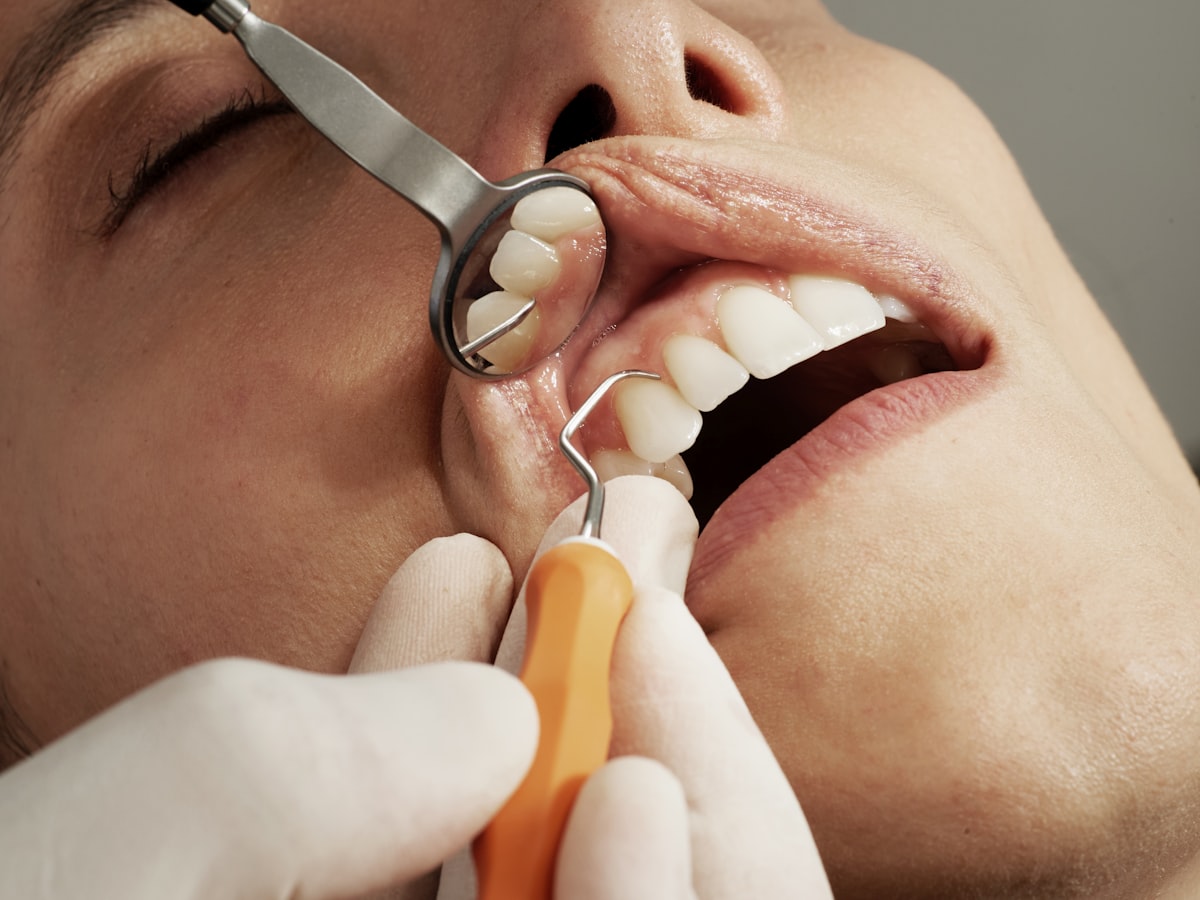
Understanding laser gum therapy: the full picture
Laser gum therapy uses a laser instead of, or alongside, conventional instruments in periodontal treatment. Depending on the wavelength it can remove diseased tissue lining a pocket, reduce bacteria, and cut with less bleeding than a blade.
The honest position on the evidence is that lasers are a reasonable adjunct and not a replacement. Removing the hard deposits from the root surface still requires mechanical instrumentation; a laser does not do that job. What it adds is decontamination and better soft-tissue handling.
Which matters because laser periodontal treatment is often marketed as a gentler alternative to deep cleaning. It is not an alternative. Where it is used well it is used in addition, and a plan that offers laser treatment instead of scaling has left out the part that treats the disease.
Who is laser gum therapy suitable for?
Candidacy is decided by evidence, not enthusiasm: your photos and medical history are reviewed by a clinician before any plan is issued. The great majority of healthy adults qualify, and where a condition needs managing first (active gum disease, an infection, uncontrolled diabetes) the plan says so and sequences treatment accordingly rather than ignoring it.
The remote assessment costs nothing and commits you to nothing, and it answers the suitability question definitively for your case rather than in general terms. It is also a useful test of the clinic itself: an honest team will sometimes tell you that you need less treatment than you asked about, and that answer is worth more than any brochure.
The laser gum therapy procedure, step by step
- 1. Chart first. Same diagnosis as any periodontal treatment.
- 2. Mechanical debridement. The deposits come off with instruments. This step is not optional.
- 3. Laser application to the pocket. Diseased lining removed and the pocket decontaminated.
- 4. Fewer anaesthetic requirements in some cases. Comfort is a genuine advantage, particularly for anxious patients.
- 5. Re-chart at six to eight weeks, as always. The measurement decides whether it worked, not how it felt.
Materials, brands and technology
Modern periodontal care is technology-assisted at every step. Ultrasonic scalers disrupt hardened deposits with microscopic vibration, faster and more comfortably than scraping alone. Soft-tissue lasers decontaminate pockets and reshape tissue with minimal bleeding and remarkably easy healing. Locally applied antimicrobials reach where instruments cannot. For regeneration, graft materials, collagen membranes and enamel-matrix proteins can rebuild lost support in suitable defects. And the most important "material" costs pennies: the correctly sized interdental brush you use every evening. Any clinic that treats gum disease without teaching home care is treating symptoms, not the disease.
Does laser gum therapy hurt? Anaesthesia and comfort
The straight answer: the procedure should not hurt at all, and afterwards most patients report far less discomfort than they braced for. Modern local anaesthesia is profound and is not started until the clinician has verified you are fully numb. You feel pressure, movement and vibration, but not pain. For longer procedures or anxious patients, oral sedation or IV sedation with an anaesthetist is available; you remain safely responsive but deeply relaxed, and most patients remember little of the appointment.
Post-operative discomfort is honest but modest: typically a few days of tenderness managed with ordinary paracetamol or ibuprofen, peaking on day one or two and fading steadily. Clinics treating international patients are notably attentive here. You have a direct WhatsApp line to the clinical team through your recovery, and questions get answered in minutes, not at the next available appointment.
How to choose a clinic for laser gum therapy, the honest checklist
Clinic choice determines your outcome more than any other decision, including the country. Apply this checklist ruthlessly:
- Named clinicians with verifiable credentials. You should know who is treating you, their speciality and their experience, not just a clinic brand.
- Written, itemised, fixed quotes. Materials named by brand, every procedure listed, total price fixed. Vague quotes produce surprise invoices.
- Proper imaging before promises. X-rays and clinical photographs reviewed by a clinician before a firm plan is issued. A quote generated without them is a guess.
- Reviews with history. Read the 3-star reviews (the most honest tier), look for reviewers with older posts, and value complaint-handling over perfection.
- Aftercare that survives your flight home. A named contact, response times, and a clear protocol for problems, tested by messaging them before you book.
- Honest triage. The best single signal: a clinic willing to tell you that you need less treatment than you asked for.
Aftercare once you are back home
Good treatment is a beginning, not an ending, and the aftercare model for international patients is better than most people expect. You fly home with written documentation. Your treatment record, material brands and batches, guarantee terms and a maintenance schedule, which means any dentist in the UK or US can examine and maintain the work without guesswork. Routine maintenance (check-ups, hygiene visits) happens locally exactly as it would after treatment at home.
What we ask of you is the boring, decisive part: keep the hygiene routine your clinician set, wear the night guard if one was prescribed, and do not skip routine reviews. The overwhelming majority of long-term problems in dentistry, anywhere in the world, grow quietly in the gaps between missed appointments.
What the evidence says about laser gum therapy
Three findings from the wider research are worth knowing as a patient. First, outcomes correlate more strongly with operator experience and case volume than with geography. A high-volume specialist team is statistically your safest choice wherever it is located. Second, patient factors you control (smoking, hygiene, attending reviews) move long-term success rates more than almost any clinical variable. Third, documented, brand-name materials exist precisely because their manufacturers publish long-term data; an unbranded restoration or fixture is a data-free experiment on your health, which is why we treat named materials as non-negotiable in vetting.
Where a treatment has genuine limitations or an evidence base still maturing, an honest clinic says so during planning. Beware of any provider, in any country, for whom every treatment is "100% successful"; real medicine deals in probabilities, and informed consent means hearing them.
Ten questions to ask before you book laser gum therapy
Send these to any clinic you are considering, including ours. The answers (and how quickly and clearly they arrive) tell you most of what you need to know:
- 1. Who exactly will perform my treatment, and what are their qualifications and case volume in laser gum therapy?
- 2. Which brand and product line of materials will be used for my case, in writing?
- 3. What imaging will you take before confirming my plan?
- 4. Is the quoted price fixed, and what could legitimately change it?
- 6. What is the realistic timeline for my case, and what happens if lab work needs an extra day?
- 7. What does aftercare look like once I am back home, and who do I contact?
- 8. What are the specific risks in my case, and how do you manage them?
- 9. Can I see recent before-and-after cases similar to mine?
- 10. If my case turns out to need less treatment than quoted, will the price come down?
That last question is the quiet masterstroke: an honest clinic answers "yes, of course" without hesitation, because plans at serious clinics are clinical documents, not sales targets. If any answer is evasive, slow or wrapped in pressure tactics ("this price is only valid today"), you have learned something worth far more than a discount.
How laser gum therapy compares with the alternatives
A good clinician presents laser gum therapy alongside its genuine alternatives, not as the only road. The comparison that matters weighs four axes (upfront cost, how much healthy tooth structure each option preserves, expected lifespan, and what maintenance each demands) and the weighting is personal: a 35-year-old and a 70-year-old can reasonably choose differently from identical clinical findings.
And the "do nothing" option deserves its honest paragraph: some conditions are stable and can be watched, while others (infection, progressive gum disease, failing teeth under load) get more complicated and more expensive with every year of delay. Ask the team directly which category your case falls into; the answer costs nothing and removes the most stressful uncertainty of all.
Recovery: what actually happens, week by week
Usually more comfortable than conventional surgery, with less bleeding and less swelling. Most people return to normal activity the same day.
The gum may look pale or greyish where the laser was applied. That is expected and resolves as the tissue heals.
Risks and complications: the honest section
The specific risk is thermal, a laser used with the wrong settings damages bone and root surface, and that damage is not visible at the time. Settings and operator training matter more here than with hand instruments.
The larger risk is the claim rather than the device. Marketing that promises regrowth of lost bone from laser treatment is going well beyond the evidence, and a treatment plan built on that promise is built on sand.
Cost is worth weighing plainly: laser therapy usually adds to the price of conventional treatment rather than replacing it, and the added benefit is real but modest.
How long does laser gum therapy last?
With sensible maintenance, expect with maintenance from laser gum therapy. The variables that matter are the ones you control: daily hygiene, wearing a night guard if you grind, not smoking, and attending routine reviews. Materials fail rarely; neglect fails reliably. Accredited clinics back the work with written guarantees whose terms you receive before treatment, and honour them, because international reputation is their entire business model.
Your maintenance calendar after laser gum therapy is deliberately unremarkable, the same habits that protect natural teeth protect treatment:
- Daily: brush twice with fluoride toothpaste, clean between teeth once (floss, interdental brushes or a water flosser: whichever you will actually use every day), and wear your night guard if one was prescribed.
- Every 6 months: a routine check-up and professional hygiene visit with your local dentist. Exactly as you would after treatment at home.
- Immediately, any time: report anything unusual (a chip, new sensitivity, bleeding gums, anything loose) rather than watching it. Early problems in dentistry are small, cheap and fixable; late ones are none of those things.